
 0141-3120000
 The Effects of Peripheral Artery Disease on Blood Flow and Health
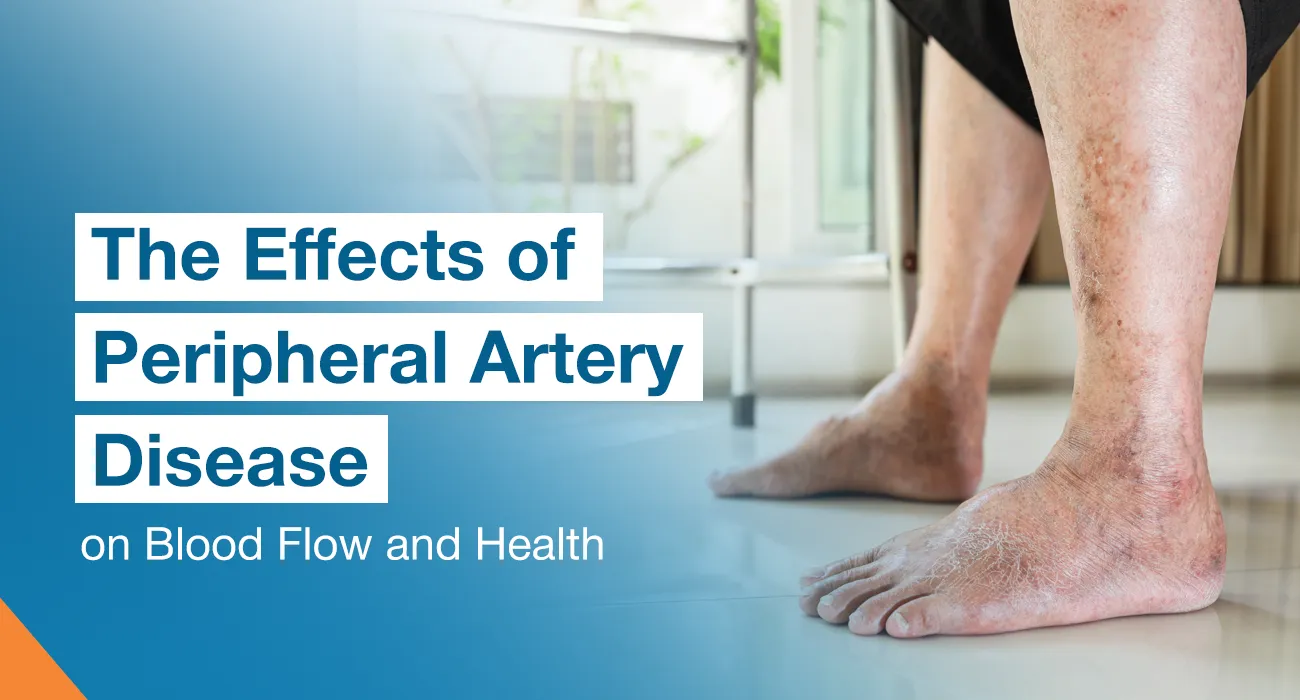
Fatty plaques not only affect the blood vessels of your heart but also the vessels supplying blood to your legs, causing peripheral artery disease (PAD). It can cause a painful, crampy sensation or even just fatigue in your legs while walking. The signs and symptoms aren't always simple to recognize, and many individuals just chalk up aching legs to arthritis or a sign of aging. But it can be managed well if detected early.
Are you also suffering from the same and looking for the best cardiologist in Jaipur for peripheral artery disease treatment and a symptom-free life?
Eternal Hospital can end your search because here you can get unparalleled and personalized care for PAD with the best treatment outcomes. Scroll down for more profound insight into the effects and treatment of peripheral artery disease in Jaipur.
What is Peripheral Artery Disease?
Peripheral artery disease (PAD), a blood vessel disorder, happens when the arteries in the arms, legs, and pelvis become constricted or obstructed, typically as a result of plaque accumulation. This affects the proper blood flow in these vessels. Reduced blood flow can cause symptoms like pain in the legs. It is possible to manage this medical condition with the right treatment, particularly if caught early. PAD most commonly impacts the buttocks, legs, or feet, and occasionally the arms. The lower extremity PAD is more common.
What are the Symptoms of Peripheral Artery Disease?
Leg pain during physical activity is the most common first sign of PAD. This occurs when the increased blood demand of the muscles exceeds the capacity of the arteries to supply blood to meet that need. As the disease progresses, one may have resting discomfort in the legs or feet. The following symptoms may appear as the disease advances:
- Foot and toe ulcers that take a long time to heal
- Skin may feel cool to the touch
- Changes in skin color to purple, green, black, or very pale
- Pin and needle sensation in the skin
- Discomfort in your butt, hip, or thigh
- Discomfort in the calf muscles
What are the Causes of Peripheral Artery Disease?
The buildup of plaque in your blood vessels happens over a period, resulting in a condition called atherosclerosis. This is the most common cause of PAD. Your arterial walls resemble hollow tubes. Their smooth lining aids in constant blood flow without forming clots. When plaque is formed on the inner side of vessels, the inner space of the blood vessel gets narrowed, resulting in reduced blood flow and clot formation in later stages.
What are the Risk Factors of Peripheral Artery Disease?
The following factors increase the risk of PAD:
- Smoking
- Diabetes
- Chronic kidney disease
- High blood pressure
- High blood cholesterol or triglyceride levels
How is Peripheral Artery Disease’s Diagnosis Made?
The following tests are advised to confirm or rule out the diagnosis of PAD:
- Ankle-brachial index (ABI)
- Vascular ultrasound
- CT angiogram
- Magnetic resonance angiogram (MRA)
What are the Treatment Options for Peripheral Artery Disease in Jaipur?
The severity of PAD determines the best course of therapy. Medication and lifestyle modifications may be enough in case of mild and moderate symptoms. Still, your doctor will monitor your progress closely and provide further medication if necessary. A treatment or surgery may be necessary if your symptoms are severe or if you are at risk of losing a limb due to non-healing wounds.
People with PAD are at increased risk for heart disorders, such as coronary artery disease, and cerebrovascular disease, such as stroke. These issues aren't directly related. Plaque builds up in numerous areas, not only your leg arteries; they typically arise combined with PAD. Medications that reduce the risk of cardiovascular problems, such as heart attacks or strokes, may be part of your PAD treatment plan.
The following are the medicines used for the treatment of peripheral artery disease in Jaipur:
- Blood thinners to lower the risk of blood clots
- Vasodilators for opening up the arteries
- Statins to reduce the bad cholesterol levels
- Blood pressure medicines to lower the risk of heart attack, stroke, and heart failure
- Medications for quitting smoking
What are the Complications of Peripheral Artery Disease?
The following are the complications of peripheral artery disease:
- Stroke
- Heart attack
- Coronary artery disease
- Heart failure
- Limb loss because of non-healing leg wounds in very severe cases
What are the Tips for the Prevention of Peripheral Artery Disease?
The following are the tips that help in preventing peripheral artery disease or its progression:
- Quit smoking
- Stay physically active to improve leg pain and circulation
- Take measures to control your blood sugar levels and blood pressure
- Follow a heart-healthy diet including fruits, vegetables, whole grains, and healthy fats in your meals
- Limit the intake of salt, sugar, and saturated fats
- Control cholesterol levels
- Take medications as prescribed (including antiplatelets, statins, and other heart-protective medicines)
- Practice proper foot care (take precautions while doing any physical activity to prevent ulcers and infections, especially if you are diabetic)
- Get vaccinated
- Seek timely medical care if symptoms worsen
Conclusion
Peripheral artery disease causes blood flow reduction in the arteries farther from your heart—like those in the legs and feet. This, however, in no way diminishes the seriousness of PAD in comparison to other diseases, such as coronary artery disease. Timely and appropriate care can help prevent it from worsening.
Get personalized care for peripheral artery disease at Eternal Hospital Sanganer from the top cardiologists in Jaipur. Book your consultation now.
FAQs
Q1: How does peripheral artery disease affect circulation?
A: PAD causes narrowing of the arteries, reducing blood flow to the limbs—especially the legs—leading to pain, cramps, and poor wound healing.
Q2: What are lifestyle changes for peripheral artery disease management?
A: Quitting smoking, regular walking or exercise, eating a heart-healthy diet, managing diabetes and cholesterol, and maintaining a healthy weight are effective lifestyle changes for PAD management.
Q3: Who is the best cardiologist in Jaipur for PAD treatment?
A: Dr. Ajeet Bana and Dr. Alok Mathur are among the top cardiologists in Jaipur. You can consult them at Eternal Hospital for the most appropriate and personalized care.