



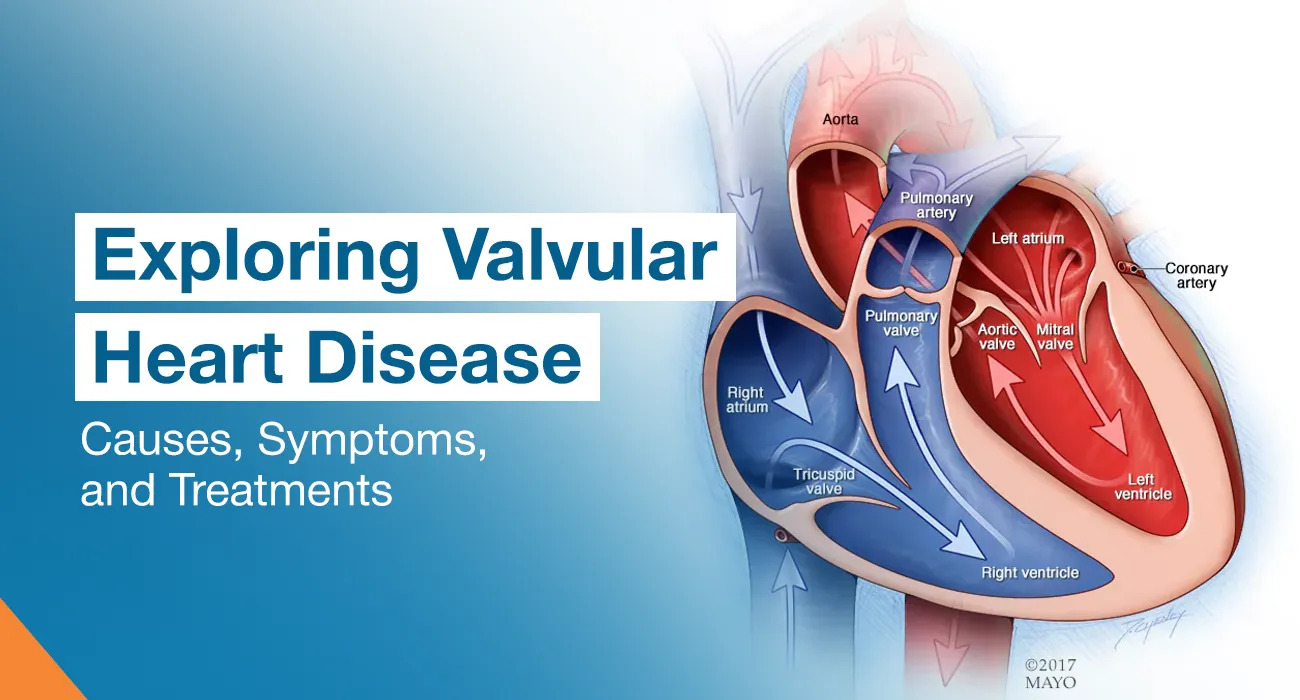
Exploring Valvular Heart Disease: Causes, Symptoms, and Treatments
01/17/2026
Valvular Heart disease is among the most prevalent heart disorders in today's scenario. Patients with this disorder may suffer from life-threatening complications, severe limiting symptoms, and a shorter lifespan. However, if the disease is diagnosed early, then the right intervention can restore quality of life and increase longevity. The chances of recovery and leading a better quality of life are now higher with the recent advances in heart care.
Are you looking for treatment for Heart Valve disease for yourself or for someone you are caring for? The following information can provide you with the right guidance regarding the disease and its treatment options from the best cardiologists in Jaipur.
What is Valvular Heart Disease?
Our Heart has four chambers and four Valves. These valves work together to restrict blood flow in a single direction. The proper valve function allows the flow of oxygen-carrying blood to the arteries and impure blood to the lungs.
Heart valve disease includes a wide range of medical conditions that might compromise the proper functioning of a heart valve or valves. Your heart may have to work harder to pump blood across your body if heart valve disease remains untreated. Heart valve dysfunction, if left untreated, can be life-threatening.
Fortunately, effective treatment modalities are available for such disorders. Repairing or replacing Heart valves is often possible. Surgeons do these surgeries using Open or Minimally Invasive approaches. Once the normal Heart Valve functions are restored, one can get back to normal activities after recovery.
What are the Types of Valvular Heart Disease?
The following are the different types of Heart Valve disorders:
| Type of Valve Condition | Description |
| Stenosis | The valve opening becomes narrow due to stiff valve tissues, reducing blood flow. This makes the heart pump harder and can limit blood supply to the body. |
| Regurgitation | The valve does not close completely, causing blood to leak backward. The heart works harder to maintain normal blood flow. |
| Prolapse | The valve leaflets are overly stretchy and bulge backward when the heart beats. It is usually harmless but may lead to regurgitation. |
| Atresia | The valve develops without an opening before birth, severely restricting blood flow, and is usually diagnosed in early infancy. |
What are the Symptoms of Valvular Heart Disease?
In an early-stage disease, the symptoms are not noticeable. The following are the symptoms of Heart Valve diseases:
- Excessive fatigue
- Increasing shortness of breath, especially with physical activity
- Skipped beats or a flip-flop feeling in the chest (palpitations)
- Swelling in the ankles, feet, or abdomen (edema)
- Weakness
- Dizziness
- Fast weight gain
- Chest pain, especially following exertion
What are the Causes of Valvular Heart Disease?
The following are the common causes of Heart Valve disease:
- Rheumatic fever from untreated strep throat
- History of heart attack
- Unmanaged high blood pressure
- Congenital valvular heart disease
- Calcification of heart valves causes irreversible loss of heart valve function
- Thoracic aortic aneurysm
- Heart failure
- Infection in your heart, such as infective endocarditis
- Lupus
- Marfan syndrome
What are the Risk Factors of Valvular Heart Disease?
The following factors increase the risk of Heart Valve disease:
- Tobacco usage
- Nutritional deficiencies
- Poor physical activity
- Diabetes
- High blood pressure
- History of radiation treatment for cancer
- Having a pacemaker or defibrillator (ICD)
- Advancing age
- How Is the Diagnosis of Valvular Heart Disease Made?
- The following diagnostic tests help in confirming the diagnosis of heart valve disease:
- Echocardiogram (heart ultrasound)
- Transesophageal echocardiogram (TEE)
- Exercise stress echocardiogram
- Chest X-ray
- Cardiac catheterization (angiogram)
- Electrocardiogram (EKG or ECG)
- Magnetic resonance imaging (MRI)
What are the Treatment Options for Valvular Heart Disease in Jaipur?
The following are the treatment options for valvular heart disease in Jaipur:
| Treatment Category | Description |
| Protection of the Valve from Further Damage | Lifestyle changes along with medical monitoring help slow disease progression and protect heart function. |
| Medications | Medications cannot cure heart valve disease, but they help control symptoms and reduce the risk of serious complications. |
| Surgical Repair or Replacement | Surgery may be required to repair or replace a damaged heart valve when opening or closing is impaired. It is of the following types: Valve repair – Fixing the patient’s own valve without artificial replacement.
|
Why Choose the Eternal Hospital for Valvular Heart Disease Treatment in Jaipur?
The Cardiac Surgery department at Eternal Hospital is run by a skilled team of well-known cardiac surgeons, cardiologists, and other experts who are recognized for their innovative work in valve replacement and related procedures. Valve repair and replacements can be done with a traditional open or minimally invasive approach. Depending upon the severity of your heart valve disorder and overall health, our team will advise you on the most effective treatment plan.
Conclusion
Learning that your heart valves are damaged can be distressing. The positive news is that heart valve issues can be managed with medication and surgery. You can trust that our cardiologists will treat your valvular heart disease with the best care possible. Ensure that you do not miss attending all of your scheduled follow-up appointments and continue to take any medications as prescribed by your doctor.
Get personalized care at Eternal Hospital from the top cardiologists in Jaipur. Book your consultation now.
FAQs
Q1: How to prevent valvular heart disease?
A: Preventing and treating infections early on, keeping blood pressure and diabetes under control, quitting smoking, maintaining an active lifestyle, and getting regular heart checks can all help.
Q2: Can I get new valves for my damaged heart valves?
A: Yes. Depending on your health and lifestyle, heart valve replacement surgery can be done to replace severely damaged valves with either mechanical or tissue valves.
Q3: How can I know the heart valve treatment I am getting is right for me?
A: A thorough evaluation of symptoms, test findings, and the overall condition of the patient is done to determine the appropriate therapy. An expert cardiologist or a cardiac team collaboratively determines the best course of action for your heart condition.