



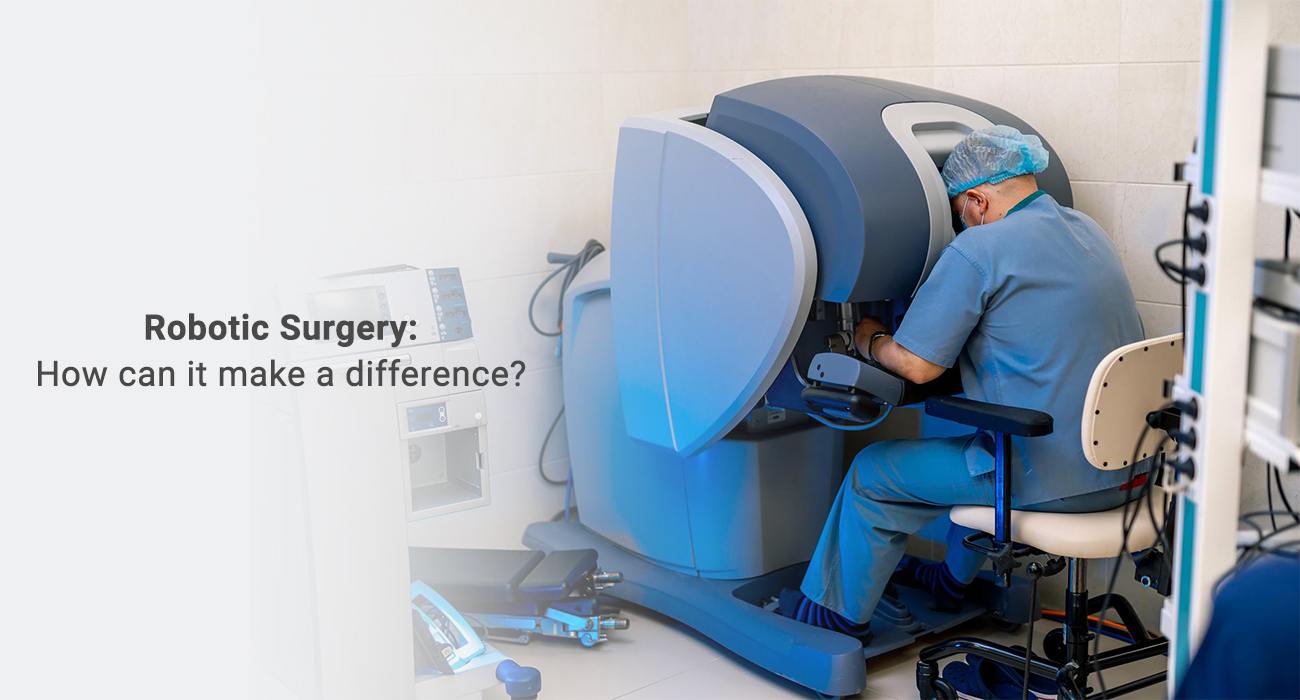
Robotic Surgery in 2026: How Can It Make a Difference in Modern Healthcare?
11/28/2022
Healthcare is changing fast. A few years ago, the idea of a surgeon operating with robotic arms sounded like something out of a science-fiction movie. Today, Robotic Surgery in Jaipur is one of the biggest advancements in modern medicine, helping surgeons perform highly precise procedures with smaller incisions, faster recovery, and better patient outcomes.
But here’s the important thing most people misunderstand:
Robots are not replacing surgeons.
Instead, robotic systems work like an ultra-advanced extension of a surgeon’s hands, eyes, and movements. Think of it like upgrading from driving a regular car to driving a high-precision smart vehicle with advanced navigation and control systems. The driver is still in control, but the technology makes the journey smoother, safer, and more efficient.
In 2026, with AI-powered healthcare evolving rapidly, robot-assisted surgery, computer-assisted surgery, and minimally invasive robotic surgery are transforming how hospitals approach complex medical conditions.
At Eternal Hospital, advanced robotic surgical systems are now helping specialists perform procedures in cardiothoracic surgery, urology, gastrointestinal surgery, gynecology, and more with greater precision and patient comfort.
Let’s understand how robotic surgery actually makes a difference.
What is Robotic Surgery?
Robotic Surgery is a type of minimally invasive procedure where surgeons use robotic arms, advanced cameras, and computer-assisted controls to perform surgery with enhanced accuracy.
The robotic system usually includes:
- A surgeon console
- Robotic arms with surgical instruments
- A high-definition 3D camera
- Computer-assisted motion technology
The surgeon controls every movement from a console. The robot does not make decisions on its own.
Let’s Understand With an Example
Imagine trying to write your signature while wearing thick winter gloves. Difficult, right?
Now imagine writing with a fine-tipped precision pen under magnified vision.
That’s the kind of control robotic surgery gives surgeons during delicate procedures.
Why is Robotic Surgery Becoming Popular in 2026?
Patients today want:
- Faster recovery
- Less pain
- Smaller scars
- Reduced hospital stay
- Lower infection risk
Traditional open surgery often involves larger incisions and longer recovery periods. Robotic surgery changes that experience significantly.
Quick Comparison Table
| Feature | Traditional Surgery | Robotic Surgery |
| Incision Size | Large | Small |
| Blood Loss | Higher | Lower |
| Recovery Time | Longer | Faster |
| Hospital Stay | More days | Shorter |
| Precision | Manual | Enhanced robotic precision |
| Scarring | More visible | Minimal |
| Infection Risk | Higher | Lower |
This is one of the biggest reasons why minimally invasive robotic surgery is expanding globally.
How Does Robotic Surgery or Robot-Assisted Surgery Work?
During the procedure:
- Small incisions are made.
- Tiny robotic instruments are inserted.
- A high-definition 3D camera provides magnified internal visuals.
- The surgeon controls robotic arms from a nearby console.
- Every movement is translated into highly precise surgical actions.
The robotic system filters natural hand tremors and improves movement accuracy in tight surgical spaces.
This becomes especially valuable in surgeries involving:
- Heart
- Lungs
- Kidney
- Prostate
- Liver
- Bladder
- Gastrointestinal tract
What is the da Vinci Surgical System?
- The da Vinci Surgical System is an advanced platform used in robotic surgery.
- It helps surgeons perform complex procedures with greater precision and control.
- The system uses robotic arms fitted with tiny surgical instruments.
- A high-definition 3D camera provides a magnified view of the surgical area.
- Surgeons control the system from a nearby console during the procedure.
- It supports minimally invasive robotic surgery through very small incisions.
- The technology helps reduce blood loss, pain, and recovery time.
- It is commonly used in urology, gynecology, gastrointestinal, and cardiothoracic surgeries.
- The robot does not operate independently; every movement is controlled by the surgeon.
- The da Vinci system improves flexibility and accuracy in delicate surgical procedures.
6 Major Benefits of Robotic Surgery
1. Smaller Incisions
Smaller cuts mean less trauma to the body and reduced postoperative discomfort.
2. Faster Recovery
Many robotic surgery patients recover quicker compared to traditional surgery.
3. Better Surgical Precision
Robotic systems provide enhanced dexterity and movement control.
4. Reduced Blood Loss
Precision-based surgery helps minimize bleeding during procedures.
5. Lower Infection Risk
Smaller incisions reduce exposure and decrease infection chances.
6. Better Visualization
High-definition 3D imaging allows surgeons to see delicate structures more clearly.
4 Types of Robotic Surgeries in Jaipur at Eternal Hospital
Eternal Hospital performs advanced robotic surgeries across multiple specialties.
Robotic Surgery Specialties in Jaipur Overview
| Department | Common Robotic Procedures |
| CTVS | Lung Resection, Thymectomy, MICS |
| Urology | Prostatectomy, Nephrectomy, Pyeloplasty |
| GI Surgery | Hernia Surgery, Whipple’s Procedure |
| Gynecology | Hysterectomy, Myomectomy, Sacrocolpopexy |
Robotic Surgery in CTVS (Cardiothoracic & Vascular Surgery)
CTVS focuses on surgeries involving the heart, lungs, chest, and major blood vessels.
Advanced Robotic Procedures in Jaipur Include:
Lung Resection
Removal of diseased lung tissue caused by cancer, infection, or severe lung damage.
Thymectomy
Removal of the thymus gland to treat conditions like myasthenia gravis and thymoma.
Esophagectomy
Partial or complete removal of the esophagus.
MICS (Minimally Invasive Cardiac Surgery)
A less invasive heart surgery technique where the breastbone remains preserved.
Why Robotics Helps in CTVS
The chest cavity is extremely delicate and compact. Robotic precision allows surgeons to work safely around critical organs and blood vessels.
Robotic Urology Surgery
Urology is one of the most advanced fields using robot-assisted surgery globally.
Common Robotic Urology Procedures
| Procedure | Purpose |
| Pyeloplasty | Treats UPJ obstruction |
| Radical Nephrectomy | Kidney cancer treatment |
| Partial Nephrectomy | Removes only affected kidney area |
| Prostatectomy | Prostate cancer treatment |
| Adrenalectomy | Removes adrenal glands |
| Radical Cystectomy | Bladder cancer surgery |
Why Robotic Surgery is Effective in Urology
Urological procedures often require extremely fine nerve preservation and precision. Robotic systems improve visibility and movement control in narrow pelvic spaces.
Robotic GI and Abdominal Surgery
Gastrointestinal procedures benefit significantly from minimally invasive robotic surgery.
Procedures at Eternal Hospital, Jaipur
- Cholecystectomy
- Hernia Surgery
- Bariatric Surgery
- Whipple’s Procedure
- Liver Surgery
- Splenectomy
- Low Anterior Resection
Benefits for GI Patients
Patients often experience:
- Faster digestive recovery
- Reduced pain
- Smaller scars
- Earlier mobility
- Shorter hospital stays
Robotic Gynecological Surgery
Robotic systems are increasingly used in gynecological procedures due to their precision and minimally invasive approach.
Common Procedures
| Procedure | Description |
| Hysterectomy | Removal of uterus |
| Myomectomy | Fibroid removal |
| Ovarian Cystectomy | Removal of ovarian cysts |
| Radical Hysterectomy | Cancer treatment surgery |
| Sacrocolpopexy | Pelvic organ prolapse repair |
| Oophorectomy | Removal of ovaries |
Is Robotic Surgery Safe?
This is one of the most searched questions online.
The short answer: Yes — when performed by trained specialists.
Robotic surgery systems are designed to improve surgical control, not replace human expertise.
The surgeon remains fully responsible throughout the procedure.
However, like all surgeries, robotic procedures also carry risks such as:
- Bleeding
- Infection
- Anesthesia-related complications
- Rare technical malfunction
The overall success depends on:
- Surgeon experience
- Hospital infrastructure
- Patient condition
- Type of surgery
Who Can Benefit Most from Robotic Surgery?
Robotic surgery may be especially useful for:
- Cancer patients
- Obese patients
- Complex abdominal surgeries
- Pelvic surgeries
- Patients needing minimally invasive options
- High-precision procedures
Your doctor will determine whether robotic surgery is suitable for your condition.
What is Tele-Surgery and the Future of Robotics?
One of the most exciting developments in healthcare is tele-surgery.
Tele-surgery allows surgeons to control robotic systems remotely using advanced communication technology.
While still evolving globally, this technology could help patients in remote areas access expert surgical care without traveling long distances.
AI-powered robotics, remote surgical mentoring, and computer-assisted surgery systems are expected to grow rapidly over the next decade.
Challenges of Robotic Surgery
Despite its advantages, robotic surgery still faces certain limitations.
Current Challenges
| Challenge | Explanation |
| High Cost | Advanced robotic systems are expensive |
| Limited Availability | Not available in every hospital |
| Training Requirements | Surgeons need specialized training |
| Procedure Suitability | Not ideal for every condition |
However, newer robotic platforms and increasing competition are gradually reducing costs worldwide.
How AI is Changing Robotic Surgery in 2026
Healthcare and AI are now deeply connected.
Modern robotic systems are becoming smarter with:
- AI-assisted imaging
- Enhanced surgical planning
- Real-time analytics
- Motion tracking
- Precision guidance
This does not mean robots operate independently. Instead, AI acts like an intelligent assistant helping surgeons make more accurate decisions during procedures.
Conclusion
Robotic Surgery is no longer the future — it is already reshaping modern healthcare in 2026.
From heart procedures and kidney surgeries to gastrointestinal and gynecological treatments, robot-assisted surgery is helping doctors perform complex operations with enhanced precision, smaller incisions, and faster recovery.
At Eternal Hospital, advanced robotic surgical techniques across CTVS, Urology, GI Surgery, Gynecology and gynecologist are expanding treatment possibilities while improving patient comfort and surgical outcomes.
As healthcare moves toward AI-powered, minimally invasive, and precision-driven treatment models, robotic surgery is expected to become an even more important part of modern medicine.
The real difference is not just in technology.
It’s in helping patients heal faster, safer, and with greater confidence.
Experts at Eternal Hospital
Dr. Kapileshwar Vijay
Dr. D. S. Malik
Dr. Ajeet Bana
Patient Testimonial
Mrs. Vaijanti Jethani successfully underwent Robotic Left Transabdominal Preperitoneal Mesh
Hernioplasty under the expert care of Dr. Kapileshwar Vijay, Director and HOD – Gastro Surgery, Minimal Invasive Surgery and Liver Transplant at Eternal Hospital.
Frequently Asked Questions (FAQs)
Q1:Is robotic surgery painful?
A: Most patients report less postoperative pain compared to traditional surgery.
Q2: Does the robot perform surgery alone?
A: No. The surgeon controls every movement.
Q3: Is robotic surgery better than open surgery?
A: It depends on the condition. In many cases, robotic surgery offers faster recovery and less trauma.
Q4:How long does recovery take?
A: Recovery varies depending on the procedure, but many patients recover faster than with traditional surgery.
Q5: Is robotic surgery expensive?
A: Costs can be higher initially, but shorter hospital stays and faster recovery may reduce overall healthcare burden.