



Cholesterol Normal Range: Cholesterol Levels By Age Chart
11/19/2024
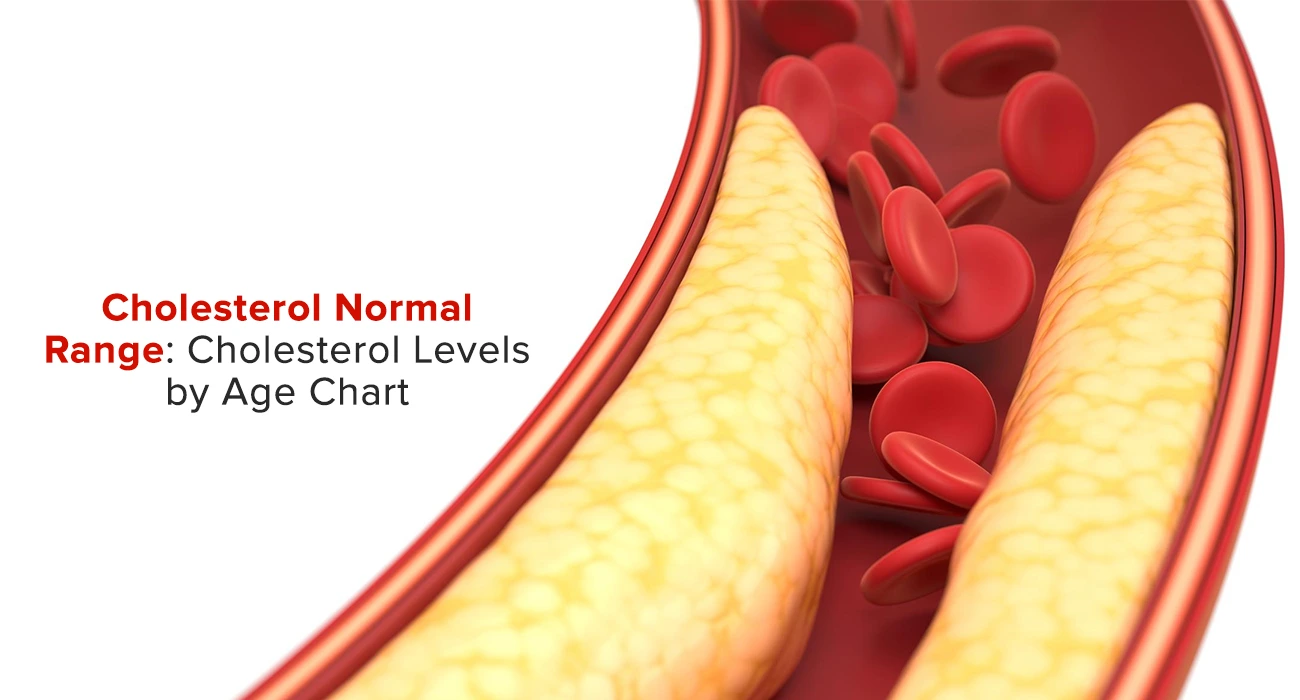
Cholesterol is a waxy fat essential for cell building, hormone production, and digestion. Produced by the liver and from foods, it travels via lipoproteins. High levels, especially LDL ("bad" cholesterol), form artery plaques, raising heart disease and stroke risk. This 2026 guide details cholesterol normal ranges by age, with charts, factors, and tips—tailored for India, per AHA and Lipid Association of India (LAI) guidelines.
What is Cholesterol?
Cholesterol is a waxy, fat-like substance found in your blood. It plays a crucial role in building cells, producing hormones, and supporting digestion. Your body produces cholesterol naturally in the liver, and it is also obtained from foods like meat, dairy, and eggs.
However, excess cholesterol, especially the wrong type, can accumulate in blood vessels and increase the risk of heart disease and stroke.
Types of Cholesterol
- LDL (Low-Density Lipoprotein): Known as bad cholesterol, it builds up in arteries.
- HDL (High-Density Lipoprotein): Known as good cholesterol, it removes LDL from the bloodstream.
- Triglycerides: A type of fat that stores excess calories.
Quick Overview Table
| Type | Role | Ideal Level |
| LDL | Builds plaque in arteries | Low |
| HDL | Removes bad cholesterol | High |
| Triglycerides | Stores fat energy | Low |
Normal Cholesterol Range
Measured in mg/dL via lipid profile. Desirable levels prevent atherosclerosis.
| Parameter | Desirable (mg/dL) | Borderline | High |
| Total | <200 | 200-239 | ≥240 |
| LDL | <100 (optimal) | 130-159 | ≥160 |
| HDL | ≥60 | 40-59 (men), 50-59 (women) | <40 (men), <50 (women) |
| Triglycerides | <150 | 150-199 | ≥200 |
- Total Cholesterol: The overall cholesterol in your blood, including LDL, HDL, and triglycerides.
- LDL Cholesterol: The amount of "bad cholesterol."
- HDL Cholesterol: The amount of "good cholesterol."
- Triglycerides: The fat content in the blood.
Here are the general cholesterol normal ranges:
- Total Cholesterol: Less than 200 mg/dL (desirable)
- LDL Cholesterol: Less than 100 mg/dL (optimal)
- HDL Cholesterol: 60 mg/dL or higher (protective against heart disease)
- Triglycerides: Less than 150 mg/dL (normal)
Cholesterol Levels by Age Chart
Cholesterol levels naturally fluctuate with age. The following cholesterol chart by age provides an overview of recommended levels for different age groups.
Cholesterol Levels for Children (0-19 years):
| Age Group | Total | LDL | HDL | Triglycerides |
| 0-9 | <170 | <110 | >45 | <75 |
| 46314 | <170 | <110 | >45 | <90 |
Here are the recommended cholesterol level ranges for children to ensure their heart health and overall well-being.
- Total Cholesterol: Less than 170 mg/dL
- LDL Cholesterol: Less than 110 mg/dL
- HDL Cholesterol: More than 45 mg/dL
- Triglycerides: Less than 75 mg/dL (ages 0-9), less than 90 mg/dL (ages 10-19)
Cholesterol Levels for Adults (20-65 years):
| Age Group | Total | LDL | HDL (Men/Women) | Triglycerides |
| 20-39 | <200 | <100 | ≥40/≥50 | <150 |
| 40-65 | <200 | <100 | ≥40/≥50 | <150 |
Here are the recommended cholesterol level ranges for adults to support a healthy lifestyle and reduce heart disease risks.
- Total Cholesterol: 125-200 mg/dL
- LDL Cholesterol: Less than 100 mg/dL
- HDL Cholesterol: 40 mg/dL or higher (men), 50 mg/dL or higher (women)
- Triglycerides: Less than 150 mg/dL
Cholesterol Levels for Seniors (65 years and older):
| Age Group | Total | LDL | HDL | Triglycerides |
| 65+ | 125-200 | <100 (70 optimal high-risk) | ≥50-60 | <150 |
Here are the recommended cholesterol level ranges for seniors to help promote longevity and overall well-being.
- Total Cholesterol: 125-200 mg/dL
- LDL Cholesterol: 70-100 mg/dL (optimal for heart health)
- HDL Cholesterol: 50-60 mg/dL or higher
- Triglycerides: Less than 150 mg/dL
These age-specific guidelines help identify whether cholesterol levels are within a healthy range.
People Also Ask
Can walking lower cholesterol?
Yes, 30 min/day boosts HDL, cuts triglycerides 10-20%.
What foods cause high cholesterol in India?
Samosas, paneer butter masala; swap for millets, fish.
Is 5.5 cholesterol high?
In mmol/L, borderline (convert: 212 mg/dL).
Normal cholesterol for 60-year woman?
Total <200, LDL <100, HDL >50.
LDL Cholesterol Range by Age
| Age Group | Optimal LDL (mg/dL) | High-Risk Target |
| 0-19 | <110 | <100 |
| 20-65 | <100 | <70 |
| 65+ | <100 | <70 |
LDL, the "bad cholesterol," varies by age and risk factors. Keeping LDL levels in check is critical to reducing the risk of plaque buildup in arteries.
Recommended LDL Cholesterol Ranges:
- Children and Teens (0-19 years): Less than 110 mg/dL
- Adults (20-65 years): Less than 100 mg/dL (optimal); less than 70 mg/dL for those at high risk of heart disease.
- Seniors (65+ years): 70-100 mg/dL for optimal heart health.
HDL Cholesterol Range by Age
| Age Group | Desirable HDL (mg/dL) |
| 0-19 | >45 |
| 20-65 (Men) | ≥40 |
| 20-65 (Women) | ≥50 |
| 65+ | ≥50-60 |
HDL cholesterol is the "good cholesterol" that helps remove LDL from your bloodstream. Higher levels of HDL are better for heart health.
Recommended HDL Cholesterol Ranges:
- Children and Teens (0-19 years): More than 45 mg/dL
- Adults (20-65 years): 40 mg/dL or higher for men, 50 mg/dL or higher for women.
- Seniors (65+ years): 50-60 mg/dL or higher for optimal heart protection.
LDL vs HDL: What Matters More?
While total cholesterol gives a general idea, LDL and HDL balance is more important.
LDL vs HDL Comparison
| Factor | LDL (Bad) | HDL (Good) |
| Function | Deposits cholesterol | Removes cholesterol |
| Risk | High levels increase heart disease | High levels reduce risk |
| Ideal Level | Low | High |
A healthy ratio between LDL and HDL is key for heart protection.
Factors That Affect Cholesterol Levels
Cholesterol levels are influenced by both lifestyle and genetics.
- Age: Cholesterol levels tend to rise with age.
- Diet: Saturated fats, trans fats, and cholesterol-rich foods can elevate levels.
- Lifestyle: Smoking, lack of exercise, and excessive alcohol consumption contribute to unhealthy cholesterol levels.
- Genetics: Familial hypercholesterolemia is a genetic condition leading to high cholesterol.
- Underlying Conditions: Diabetes, obesity, and hypothyroidism can raise LDL and triglycerides while lowering HDL.
How to Maintain Normal Cholesterol Levels?
| Tip | Action | Expected Benefit |
| Diet | Oats, nuts, fish (omega-3) | Drops LDL 5-10% |
| Exercise | Brisk walking | Boosts HDL 5-10% |
| Quit Smoking | Avoid tobacco | Raises HDL 10% |
| Weight Loss | 5-10% body weight | Cuts triglycerides 20% |
| Meds | Statins (e.g., atorvastatin) | Lowers LDL 30-50% |
Maintaining a healthy cholesterol balance is crucial for overall well-being. Here are some tips:
- Adopt a Heart-Healthy Diet: Include fruits, vegetables, whole grains, lean proteins, and healthy fats (e.g., omega-3 fatty acids).
- Exercise Regularly: Engage in at least 150 minutes of moderate aerobic activity per week.
- Quit Smoking: Smoking lowers HDL cholesterol and damages blood vessels.
- Limit Alcohol: Excessive drinking can increase triglycerides and total cholesterol.
- Medications: If lifestyle changes are insufficient, doctors may prescribe statins or other cholesterol-lowering drugs.
Risk Factor Summary Table
| Factor | Effect on Cholesterol |
| Poor Diet | Increases LDL |
| Exercise | Increases HDL |
| Smoking | Decreases HDL |
| Genetics | Raises overall risk |
Also, read: How to Improve Heart Health Naturally?
Why Monitor Cholesterol?
| Risk if Unmonitored | Complication | Prevention |
| High LDL | Atherosclerosis | Statins + diet |
| Low HDL | Heart attack | Exercise |
| High Triglycerides | Stroke | Weight control |
Monitoring your cholesterol levels regularly allows you to take proactive measures to manage them. Abnormal cholesterol levels can lead to:
- Atherosclerosis: Plaque buildup in arteries, narrowing them and reducing blood flow.
- Heart Attack: Caused by a blockage in the coronary arteries.
- Stroke: Resulting from reduced blood flow to the brain.
- Peripheral Artery Disease: Blocked blood flow to limbs.
Routine blood tests, known as lipid profiles, are essential for evaluating cholesterol levels.
Conclusion
Understanding the cholesterol normal range and maintaining healthy levels is critical for preventing cardiovascular diseases. By following a balanced diet, staying active, and monitoring your lipid profile, you can keep your cholesterol in check. Use the cholesterol levels by age chart as a reference to evaluate your health and consult a healthcare professional for personalized advice. Remember, small steps toward better lifestyle choices can lead to significant improvements in your cholesterol levels and overall well-being.
Frequently Asked Questions (FAQs)
Q1. What is cholesterol?
A: Cholesterol is a waxy substance found in your blood. It's essential for building cells, producing hormones, and aiding digestion. However, high levels can lead to health problems.
Q2. Why is cholesterol important?
A: Cholesterol is crucial for various bodily functions. However, it's important to maintain healthy levels to avoid heart disease and other health issues.
Q3. What are the different types of cholesterol?
A: There are two main types of cholesterol:
- LDL (bad cholesterol): High levels can clog arteries.
- HDL (good cholesterol): Helps remove LDL from the bloodstream.
Q4. What is a normal cholesterol level?
A: A normal total cholesterol level is less than 200 mg/dL. LDL cholesterol should be less than 100 mg/dL, and HDL cholesterol should be 60 mg/dL or higher.
Q5. How can I lower my cholesterol?
A: To lower your cholesterol, you can:
- Eat a healthy diet low in saturated and trans fats.
- Exercise regularly.
- Quit smoking.
- Lose weight if you're overweight or obese.
- Consult your doctor about medication options.
Q6. What are the signs of high cholesterol?
A: High cholesterol often has no symptoms. Regular blood tests are necessary to check your levels.
Q7. Can I reverse high cholesterol?
A: While you can't completely reverse high cholesterol, lifestyle changes and medication can help lower your levels and reduce your risk of heart disease.
Q8. Is high cholesterol hereditary?
A: Yes, high cholesterol can be hereditary. If you have a family history of high cholesterol, it's important to get regular check-ups.
Q9. Can stress affect cholesterol levels?
A: Yes, stress can indirectly affect cholesterol levels by influencing lifestyle choices like diet and exercise.
Q10. Can I eat eggs if I have high cholesterol?
A: While eggs contain cholesterol, they also provide nutrients like protein. Moderation is key. Consult your doctor for personalized advice.