



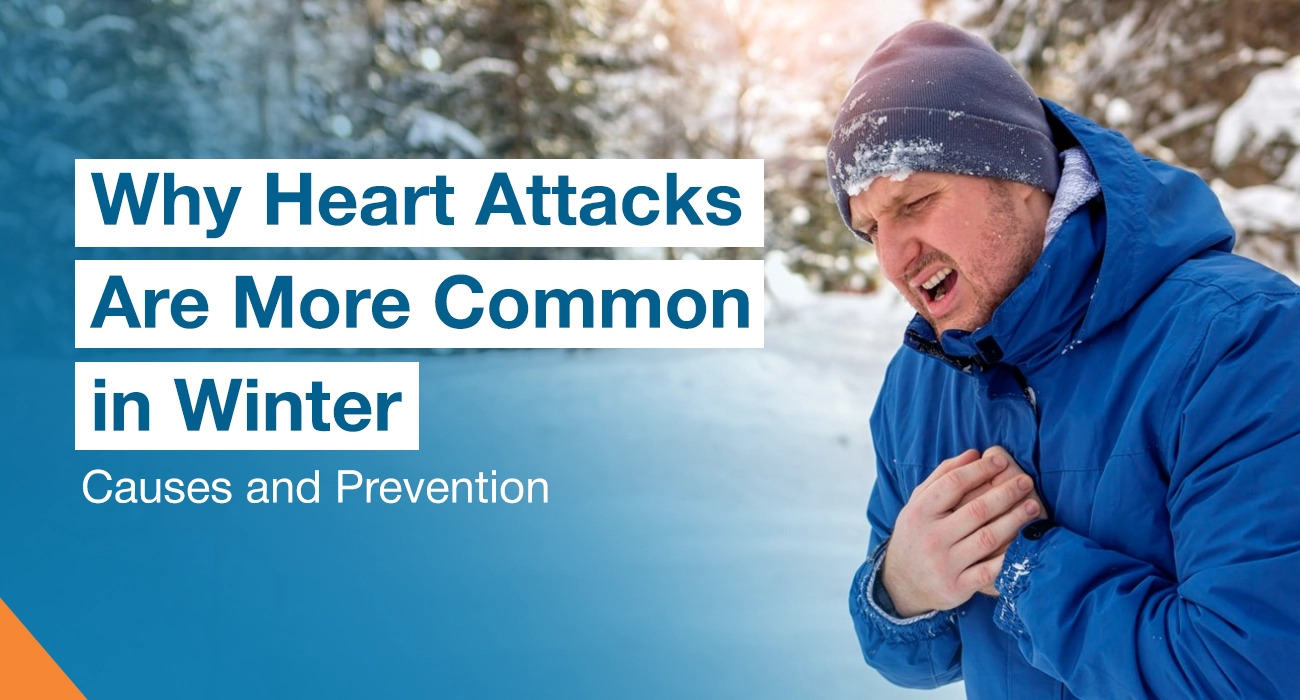
Why Heart Attacks Are More Common in Winter—Causes and Prevention
12/05/2025
As the weather becomes cooler, most of us turn to blankets, cozy beverages, and flu prevention measures. What we seldom consider—until someone close to us experiences it. It is the fast increase in heart attacks during the winter. Every year, cardiologists across the world see the same trend. The number of cardiovascular patients in emergency rooms rises as the temperature cools.
If you've ever wondered why this happens or how to protect yourself or someone you care about throughout the winter. This article discusses the underlying cause of the higher risk of heart attacks during the winter and provides simple measures to strengthen your heart.
Why Do Heart Attacks Increase in Cold Weather?
Although winter is meant to be calming, it's really one of the hardest seasons on the heart. The chilly air compels your body to work harder simply to remain warm. Your blood becomes a little thicker than normal, your heart beats more quickly, and your blood vessels constrict. Let’s learn more about the effect of cold weather on blood pressure.
Cold temperatures elevate your blood pressure and tighten your blood vessels. This results in forcing the heart to work more to pump blood all around your body. The American Heart Association (AHA) states that intense activity puts more strain on the heart.
This season becomes a high-alert period for anyone who already has a cardiac condition that puts them at risk, such as high blood pressure, diabetes, high cholesterol, a smoking history, or an undetected blockage. Angina (chest pain), breathing trouble, or burning sensations can be triggered by cold air in individuals with heart disease.
What Are the Causes of Increased Heart Attack Risk in Winters?
Heart attack is an ultimate unfortunate event associated with many conditions. The risk of such diseases increases manyfold in winters. Following are the conditions that precede a heart attack in winter and can become the cause of it:
- Deep venous thrombosis
- Pulmonary embolism
- Aortic rupture/dissection
- Stroke
- Nontraumatic intracerebral hemorrhage
- Hypertension
- Heart failure
- Atrial fibrillation
- Ventricular arrhythmias
- Acute myocardial infarction
- Winter angina
- Sudden cardiac death
Following are the factors that increase the incidence of heart attack in winter:
- Low temperature
- Low vitamin D
- High serum cholesterol level
- Low physical activity
- High blood coagulation ability
- High levels of certain vasoactive substances that trigger the blood vessel constriction
- Increased air pollution because of dry atmosphere
- Increased rate of infections
- Increase in high-calorie diet intake
- Obesity because of a fat-rich diet and low physical activity
- Dehydration causing blood thickening
What are the Warning Signs of Increased Heart Attack Risk in Winters?
The following are the warning signs of increased heart attack risk in winters that require immediate medical attention:
- Chest pressure, burning, or heaviness
- Discomfort spreading to jaw, left arm, or back
- Breathlessness during mild activity
- Dizziness or sudden fatigue
- Upper belly pain mistaken for acidity
- Nausea, sweating, or “something feels wrong”
- Faster heartbeat during cold exposure
- Pain that worsens with exertion outdoors
How to Prevent Heart Attacks in Winter?
People should stay aware of the higher risk of heart disorders during the winter and be taught the value of engaging in regular exercise and wearing warm clothing. Also, people should be driven to maintain optimal eating habits, including a diet high in vitamin D and reduced fat intake. Following tips can help in preventing cold weather heart attacks:
| Heart Health Tips for Cold Weather | Description |
| Don’t Step Out on an Empty Stomach | Low blood sugar combined with cold air puts extra stress on the heart. Eat a light snack before stepping out. |
| Keep Moving Indoors | Gentle indoor activity—like 20 minutes of brisk walking—keeps circulation smooth and reduces winter stiffness. |
| Stay Hydrated | Drink warm water, soups, or herbal teas. Dehydration in winter thickens the blood and raises heart attack risk. |
| Balanced Diet | Avoid eating heavily fried foods and choose light meals. |
| Take Medications on Time | Many winter heart attacks happen because BP or cholesterol medicines are skipped. Keep a routine. |
| Avoid Heavy Physical Exertion | Cold mornings are risky. Avoid lifting heavy grocery bags or sudden strenuous activity. |
| Listen to Your Body | If something feels “off”—tightness, discomfort, or unusual fatigue—stop immediately and rest. Seek help if symptoms continue. |
| Warm Up Before Any Activity | Cold muscles strain the heart. Start with stretching or light movements before shoveling, walking, or exercising. |
| Wear Proper Clothing | Cover yourself in multilayered clothes to prevent the passage of cold breezes to your body through the thin or porous clothing. |
| Take Breaks During Physical Work | Whether clearing snow or doing any winter chore, take frequent breaks to avoid overworking the heart. |
| Buddy Up for Safety | Do strenuous winter tasks with a friend—preferably someone younger or without heart issues—so you’re not alone in case of an emergency. |
Conclusion
Winter doesn’t cause heart disease, but it exposes it. Every year, many heart attacks could be prevented simply by recognizing the signs earlier and understanding how cold weather stresses the cardiovascular system. If you or a family member has high BP, cholesterol, diabetes, or a history of heart problems, winter is not the time for guesswork—it’s the season to stay alert.
Eternal Hospital continues to provide expert cardiac care, guiding patients through winter with timely advice, high-precision diagnostics, and life-saving treatment options. If you’re noticing unusual symptoms this season, getting an early evaluation might make all the difference.
Winters raise the risk of heart attacks. Get personalized answers from the top cardiologists in Jaipur at Eternal Hospitals. Book your consultation now!
FAQs
Q1: What increases the cases of Angina in winter ?
A: Angina is Chest pain associated with Heart attack. Cold air constricts blood arteries and makes the heart work more vigorously, which can cause pain (angina) in persons with underlying heart issues.
Q2: How can I determine whether my winter Chest pain is serious in nature ?
A: If it feels heavy, extends to the arm or jaw, intensifies with effort, or causes perspiration or nausea, get medical attention immediately.
Q3: Does cold climate raise Blood pressure ?
A: Yes. Cold temperatures naturally elevate blood pressure because blood vessels constrict to save the body heat.
Q4: How to do physical activities safely in the cold weather ?
A: The American Heart Association advises that you engage in at least 150 minutes of moderate-intensity or 75 minutes of vigorous-intensity physical exercise every week. It is perfectly easy to adhere to those standards throughout the chilly months, even if you do not want to go outdoors. If you're over 50 and overweight or if you have a history of heart attacks, you should contact a doctor prior to shoveling snow or beginning any workout plan.